
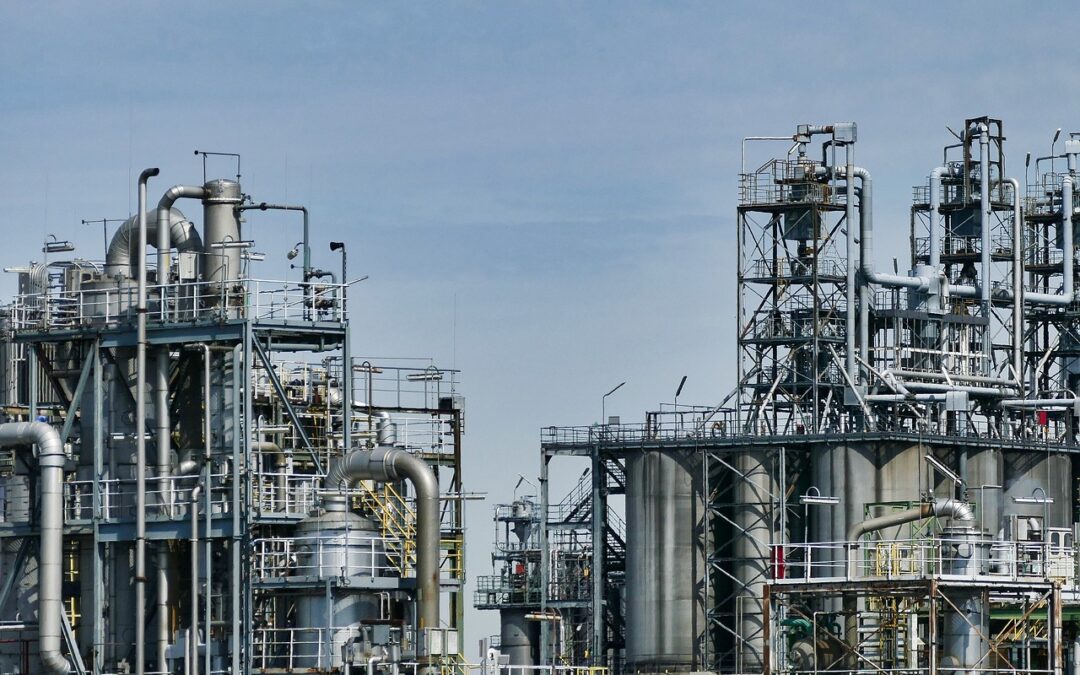
In industrial settings, particularly those involving flammable gases, vapors, and dust, safety is of utmost importance. One critical component of maintaining a safe working environment is the use of explosion-proof control stations. These specialized devices are designed to prevent the ignition of explosive atmospheres, thereby safeguarding both personnel and equipment. This article explores the reasons why explosion-proof control stations are essential in hazardous locations.
Understanding Hazardous Locations
Hazardous locations are areas where the potential for fire or explosion exists due to the presence of flammable materials. These can be classified into different zones based on the frequency and duration of the hazardous atmosphere. Common examples include oil refineries, chemical plants, grain storage facilities, and paint spray booths. In these environments, the risk of accidents is significantly heightened, necessitating stringent safety measures.
Types of Hazards
- Gases and Vapors: Locations where flammable gases, such as methane or hydrogen, are present.
- Dust: Areas with combustible dust, like grain or metal particles, that can create explosive mixtures when suspended in the air.
- Liquids: Environments where flammable liquids, such as solvents or fuels, are handled.
The Role of Explosion-Proof Control Stations
Explosion-proof control stations are designed to withstand internal explosions without allowing flames or hot gases to escape, thus preventing ignition of the surrounding hazardous atmosphere. They incorporate several key features:
- Robust Enclosures: Made from materials that can endure harsh conditions and resist impact, explosion-proof control stations have sealed enclosures to protect internal components.
- Sealing Mechanisms: These stations utilize gaskets and seals to prevent the ingress of dust, moisture, and flammable gases, ensuring that the internal environment remains safe.
- Thermal Management: The design allows for the dissipation of heat generated by electrical components, reducing the risk of ignition.
- Quality Assurance: Explosion-proof devices undergo rigorous testing to meet international standards, such as those established by UL (Underwriters Laboratories), ATEX (Atmosphères Explosibles), and IEC Ex (International Electrotechnical Commission Explosive).
Key Reasons for Their Necessity
1. Preventing Catastrophic Incidents
The primary reason for installing explosion-proof control stations in hazardous locations is to prevent catastrophic incidents. An explosion can result in significant injuries, loss of life, and substantial property damage. By containing any potential internal explosions, these control stations help avert such disasters.
2. Compliance with Regulations
Various regulatory bodies mandate the use of explosion-proof equipment in hazardous environments. Compliance with international standards established by organizations such as UL, ATEX, and IEC Ex is not just a legal obligation but also a critical aspect of workplace safety. Adhering to these standards helps ensure the safety of personnel and the integrity of operations in potentially explosive atmospheres.
3. Protection of Personnel
Safety is paramount in any industrial setting. Explosion-proof control stations protect workers by reducing the risk of exposure to explosive hazards. By minimizing the likelihood of explosions, employers can create a safer work environment, fostering employee well-being and productivity.
4. Equipment Longevity
Explosion-proof control stations are built to withstand extreme conditions, leading to increased durability and reduced maintenance costs. Their robust design ensures that they can function effectively in challenging environments, prolonging their lifespan and reliability.
5. Operational Continuity
In industries where production processes are critical, any downtime due to accidents can result in significant financial losses. Explosion-proof control stations minimize the risk of interruptions, ensuring that operations can continue smoothly even in hazardous settings.
6. Enhancing Reputation and Trust
Companies that prioritize safety through the implementation of explosion-proof solutions demonstrate a commitment to employee welfare and environmental responsibility. This can enhance their reputation, build trust with stakeholders, and attract customers who value safety.
A Leader in Explosion-Proof Solutions
With over 30 years of experience in the industry, we have established itself as a trusted provider of high-quality explosion-proof products. Our extensive expertise enables us to develop solutions that not only meet but exceed international safety standards, including UL, ATEX, and IEC Ex certifications. We pride ourselves on our rigorous testing and quality assurance processes, which ensure that our products are reliable and durable in even the most challenging conditions. By collaborating closely with clients across various industries, we tailor our offerings to meet their unique needs, enhancing both safety and operational efficiency.
Safety is our utmost priority. We believe that every workplace should be free from the risks associated with hazardous environments, and we strive to contribute to that vision through our innovative products and dedicated service. Our commitment to advancing safety standards and providing exceptional support empowers our customers to operate with confidence in potentially explosive atmospheres. As a leader in the explosion-proof equipment industry, we remains dedicated to fostering a safer future for all.
Make your workplace safer, contact us to get free quote!
Conclusion
In conclusion, explosion-proof control stations are not merely an option but a necessity in hazardous locations. Their role in preventing catastrophic incidents, ensuring regulatory compliance, protecting personnel, and enhancing operational efficiency underscores their importance in maintaining a safe working environment. Investing in explosion-proof technology is an investment in safety, productivity, and long-term success for any organization operating in potentially dangerous settings. As industries evolve and the demand for safety increases, the reliance on explosion-proof equipment will only continue to grow, solidifying its status as an indispensable component of industrial safety practices.